
Casino sites that accept Trustly in Australia: the honest banking check for 2026
 Available in US

Trustly sits in an odd spot in the Australian market. It is not a wallet, not a card, and not a coin. You log into your own bank, approve a transfer, and the money lands in a casino balance seconds later. No account to open, no balance to top up, no card number typed into a cashier form you half-trust.
That simplicity is the selling point. It is also where most guides stop, right before the part players actually care about: which sites support it, how much you can move, and how long the money takes coming back. Deposits are the easy half. The return leg runs through a casino approval queue and then your bank’s own settlement clock, and nobody advertises that part in bold.
Eighteen or so Australian-facing operators list Trustly at the cashier. Twelve of them are worth a closer look, and they differ more than the marketing suggests — minimum deposits run from AU$10 to AU$30, daily withdrawal ceilings vary by a factor of several, and a couple of them hold licences that mean something while others hold licences that mean considerably less.
Casino Sites Accepting Trustly in Australia — Top 12 for 2026
None of these operators is licensed in Australia. That is not a knock on any of them; it is the structure of the market. The Interactive Gambling Act 2001 blocks domestic online casino licensing, so every site below runs on an offshore permit — Malta, the UK, or Curaçao — and accepts Australian players from outside the jurisdiction.
The licence matters for one practical reason: recourse. A Malta Gaming Authority licensee answers to a regulator with a complaints process and audit requirements. A Curaçao licensee answers to a regulator that has historically asked fewer questions. Both take your deposit the same way. Only one gives you somewhere to go when a withdrawal stalls for three weeks.
Ordering below runs by payout speed first, because that is the axis where Trustly casinos genuinely separate. Established brands follow, then the feature specialists.
| Operator | Licence | Min deposit (AUD) | Withdrawal time | Distinguishing feature |
|---|---|---|---|---|
| Leon | Offshore (jurisdiction undisclosed) | $10 | Under 12 hours | Fastest advertised approval; points-based loyalty scheme |
| PlayAmo | Curaçao (Direx N.V.) | $15 | Often under 12 hours | 3,000+ titles across 50+ studios, crypto alongside Trustly |
| Joo | Offshore (jurisdiction undisclosed) | $20 | Under 24 hours | 15% weekly cashback capped at US$5,000; 57 studios |
| Gamblezen | Offshore (jurisdiction undisclosed) | $20 | Under 24 hours | 200% match to AU$1,360 plus 100 free spins |
| Crocoslots | Offshore (jurisdiction undisclosed) | $20 | Under 24 hours | Three-stage welcome package, pokies-weighted library |
| 24Casino | Offshore (jurisdiction undisclosed) | $30 | Under 24 hours | Reload offers at 100% to AU$1,500 for returning players |
| Axe Casino | Offshore (jurisdiction undisclosed) | $30 | Under 24 hours | Reload structure mirroring 24Casino at same entry point |
| LeoVegas | Malta and UK | $10 | Around 24 hours | MGM-owned since 2022; multiple mobile casino awards |
| Wild Fortune | Curaçao (licence 8048/JAZ) | $10 | Under 48 hours | 6,000+ games but a daily cashout ceiling near AU$1,610 |
| Jackpot City | Malta | $10 | 24 to 48 hours | Two decades of operation, 1,500+ Microgaming-led titles |
| Spin Casino | Malta | $10 | 24 to 48 hours | Mobile-first build, same ownership as Jackpot City |
| JeetCity | Offshore (jurisdiction undisclosed) | $30 | Under 48 hours | 125% high-roller match, 50 studios, VIP-weighted terms |
Read the withdrawal column as an operator’s internal approval target, not a door-to-door figure. Your bank still has to settle the incoming transfer afterwards, which adds a day or two. More on that below, because it is the single most misrepresented number in this category.
Leon — Fastest Withdrawal Claims (Under 12 Hours)
Leon sits at the top of the payout-speed ladder with a claimed approval window of less than twelve hours, which would place it comfortably ahead of the rest of the field if that figure holds across weekends and verification queues. The operator runs a hybrid sportsbook and casino, so Trustly deposits land in a shared wallet that moves between betting categories without friction. Minimum deposit sits at AU$10, the lowest point across the twelve, and the loyalty programme awards redeemable points rather than the usual tiered status with vague perks that never quite materialise.
Licence jurisdiction is not disclosed in public-facing documentation, which puts it in the same regulatory bucket as the mid-tier offshore crowd. The focus is speed over paperwork, and the ten-dollar entry makes it accessible to players working with smaller session budgets. The loyalty scheme at least offers a concrete mechanic — points accumulated, points spent — rather than invitations to a VIP manager who ghosts you after the first deposit.
PlayAmo — Crypto Hybrid with True Fast Payouts
PlayAmo operates under a Curaçao eGaming licence held by Direx N.V., a group that runs multiple casino brands across similar infrastructure. The distinguishing move here is the dual support for traditional banking methods like Trustly and a full suite of cryptocurrency options, which makes it one of the few places where a player can fund sessions via instant bank transfer one week and Bitcoin the next without switching platforms. The game library spans more than three thousand titles sourced from over fifty providers, including Microgaming, NetEnt, Play’n GO, Pragmatic Play, and a tail of smaller studios that keeps the lobby from feeling like every other white-label operation.
Payout speed is where PlayAmo earns its position near the top. Withdrawals frequently process within twelve hours, and in some cases considerably faster — the operator has built a reputation for approving cashouts in under an hour for amounts that do not trigger additional compliance checks. Minimum deposit via Trustly sits at AU$15. The crypto angle appeals to a segment that values speed and pseudonymity, but the Trustly integration is robust enough that traditional banking users face no second-class treatment. The Curaçao licence means limited regulatory oversight compared to Malta or the UK, so dispute resolution relies more on the operator’s internal process than an external watchdog.
Joo — Strong Cashback Programme and Customer Ratings
Joo Casino centres its offer around a fifteen percent weekly cashback structure capped at five thousand US dollars, which translates to meaningful sums for players moving volume rather than the token gestures most cashback schemes deliver. The cashback carries a five-times wagering requirement, which is steep but transparent — no buried multipliers, no excluded games list that invalidates half the library. The platform lists fifty-seven game providers, covering the expected major names and enough mid-tier studios to avoid repetitive lobby syndrome.
Customer review scoring sits at 83 out of 100 on independent aggregators, above the category average and reflective of consistent withdrawal processing and support responsiveness rather than flashy marketing. Minimum Trustly deposit is AU$20, and advertised payout time runs under twenty-four hours once the cashout clears internal approval. Licence jurisdiction remains undisclosed, placing it in the same offshore tier as Leon and the others without Malta or UK backing. The cashback ceiling is high enough that recreational players rarely approach it, but the fifteen percent base rate is applied automatically rather than gated behind a VIP application process that favours whales.
Gamblezen — Aggressive Bonus, Fast Advertised Payouts
Gamblezen leads with a two-hundred percent match bonus extending to AU$1,360 plus one hundred free spins, which is among the more generous first-deposit packages in the comparison set. Wagering requirements and game weightings were not detailed in available sources, so treating the headline figure as the full story would be unwise. The operator holds an above-average rating of 76 out of 100 and advertises payout windows under twenty-four hours, positioning it alongside Joo and PlayAmo in the faster-approval bracket.
Minimum deposit via Trustly is AU$20. The licence background is not publicly clarified, so the usual offshore caveats apply — limited recourse if a withdrawal stalls, no independent regulator to escalate disputes. The two-hundred percent match is the headline draw, but it brings the usual question: does the bonus survive actual play, or does the fine print gut the value before you clear the wagering threshold. Gamblezen does not have the two-decade operational history of Jackpot City or the MGM backing of LeoVegas, so the offer is doing most of the work in attracting new accounts.
Crocoslots — Slots-Focused with Multi-Part Welcome Bonus
Crocoslots structures its welcome package across three deposits rather than front-loading everything into the first one, which spreads the bonus value and potentially the wagering pain over multiple sessions. The branding leans heavily into pokies, and the library composition follows — table games and live dealer offerings exist but are clearly not the priority. Minimum Trustly deposit is AU$20, and payout time sits in the under-twenty-four-hour range alongside the other mid-speed operators.
The three-part bonus mechanic suits players who prefer smaller initial deposits and want to test the platform before committing a larger sum to unlock the full package. It also means the operator has three chances to convert a depositor into a repeat customer rather than one. Licence jurisdiction is undisclosed. The pokies focus is honest enough — the name telegraphs it, the lobby delivers it — so anyone arriving for a robust live dealer experience or a deep poker room will be disappointed by design.
24Casino — Reload Bonus Focus, Higher Entry Point
24Casino sets its minimum Trustly deposit at AU$30, which is the highest floor in the comparison set and likely filters out the smallest-stake players before they hit the cashier. The emphasis is on reload bonuses rather than first-deposit spectacle, with a recurring one-hundred percent match up to AU$1,500 aimed at keeping returning players funded. Payout speed runs under twenty-four hours in line with most of the mid-tier group.
The higher entry point suggests the operator is optimising for fewer, larger deposits rather than high-frequency small top-ups, which aligns with the reload structure targeting established accounts over new signups. Licence jurisdiction is not disclosed. For players who routinely deposit above thirty dollars anyway, the floor is invisible; for those testing waters with ten or fifteen, it closes the door before they start. The reload offer is useful if you are already convinced; it does nothing to get you there.
Axe Casino — Mid-Tier Standard Offering
Axe Casino mirrors much of 24Casino’s structure: a thirty-dollar minimum Trustly deposit, reload bonuses at one hundred percent to AU$1,500, and under-twenty-four-hour payout claims. The similarity suggests shared infrastructure or closely related ownership, though no public documentation confirms that. The operator rates at 70 out of 100 on aggregator scoring, which places it at the lower end of the field but still within acceptable operational norms.
There is little here to separate Axe from 24Casino or from the broader mid-tier offshore group. The thirty-dollar floor prices out low-stakes players, and the reload focus means the platform is not chasing first-timers aggressively. Licence background is undisclosed. If you are deciding between Axe and a near-identical alternative, the tiebreaker comes down to whichever one processes your KYC documents faster or answers support tickets without the runaround.
LeoVegas — Award-Winning Mobile Casino, MGM-Backed
LeoVegas operates under licences from both the Malta Gaming Authority and the UK Gambling Commission, which places it in a different regulatory tier than the Curaçao and undisclosed-jurisdiction operators above. The platform was founded in Sweden in 2011 and acquired by MGM Resorts International in 2022, which brought the backing of a major US gaming company and the infrastructure that comes with it. The mobile-first design has won multiple EGR awards, and the site works as smoothly on a phone as it does on desktop — not an adaptive afterthought but the lead experience.
Game library runs between fifteen hundred and two thousand titles, with a particularly strong live casino offering powered by Evolution Gaming, Pragmatic Play Live, and NetEnt Live. Trustly integration is native given the Swedish origins of both the operator and the payment method, and minimum deposit sits at AU$10. Withdrawal processing typically completes within twenty-four hours post-approval, and the dual Malta-UK licensing means disputes can escalate to external regulators with actual enforcement teeth. The MGM acquisition also means LeoVegas is unlikely to vanish overnight or rebrand under a new domain when complaints pile up, which is a non-trivial consideration in a market where operator churn is common.
Wild Fortune — Large Library with Conservative Withdrawal Caps
Wild Fortune lists over six thousand game titles, sourced from a broad mix of studios including Microgaming, NetEnt, Play’n GO, Evolution Gaming, and Pragmatic Play. The Curaçao eGaming licence under number 8048/JAZ places it in the offshore category, and the operator is registered under Bets Entertainment N.V. in Curaçao. Minimum Trustly deposit is AU$10, accessible for smaller-stakes players, and the advertised withdrawal window runs under forty-eight hours once internal approval clears.
The catch surfaces at cashout. Daily withdrawal ceiling sits around AU$1,610, with a weekly cap layered on top, so anyone hitting a significant win needs to plan cashouts across multiple days or weeks rather than pulling everything at once. For recreational players depositing ten or twenty dollars per session, the cap is invisible. For someone who runs a balance up into four figures and wants it out in a lump, the structure turns into a bottleneck. The game library is genuinely expansive, and the ten-dollar minimum keeps the entry low, but the payout caps are conservative even by offshore standards.
Jackpot City — 20+ Year Veteran with MGA License
Jackpot City has operated since the late 1990s, which gives it one of the longest uninterrupted runs in the industry. The platform is licensed by the Malta Gaming Authority and owned by Bayton Ltd, which is part of the Digmedia Limited group. Game library leans heavily on Microgaming titles, supplemented by NetEnt and Evolution Gaming for table games and live dealer. Total count sits around fifteen hundred, smaller than the newer operators that aggregate dozens of studios but still covering the full range of pokies, blackjack, roulette, video poker, and live tables.
Trustly is supported for both deposits and withdrawals. Minimum deposit is AU$10, and payout processing runs between twenty-four and forty-eight hours depending on KYC status and withdrawal amount. The MGA licence means the operator is subject to regular audits, segregated player-fund requirements, and a dispute resolution process that escalates to an independent adjudication body if the casino’s internal resolution fails. Two decades of continuous operation without major scandals or abrupt closures is a track record that newer brands cannot match, and for players who value operational stability over the latest gamification features, that history carries weight.
Spin Casino — Mobile-First Sister Brand to Jackpot City
Spin Casino shares ownership with Jackpot City under Bayton Ltd and operates on the same Malta Gaming Authority licence. The platform was built with mobile as the lead interface, and the game library is slightly smaller — five to seven hundred titles — but curated for performance on phones and tablets. Studios include Microgaming, NetEnt, Play’n GO, and Evolution Gaming, covering pokies, table games, and a solid live dealer section.
Trustly minimum deposit is AU$10, and withdrawal processing mirrors Jackpot City at twenty-four to forty-eight hours. The mobile focus is not just responsive design but native app availability for iOS and Android, with faster load times and smoother navigation than browser-based play. The smaller library is deliberate rather than a limitation — Spin prioritises titles that perform well on mobile rather than importing every desktop game in the catalogue. Same regulatory oversight as Jackpot City, same ownership, same withdrawal reliability. The choice between the two comes down to whether you prefer the larger desktop-era library or the tighter mobile-optimised experience.
JeetCity — Highroller Orientation, Slower Withdrawals
JeetCity positions itself toward higher-stakes players with a one-hundred-twenty-five percent highroller match bonus and a minimum Trustly deposit of AU$30, the upper end of the range. The platform lists fifty game providers, and the advertised payout window runs under forty-eight hours, which is slower than the sub-twenty-four-hour group but still within industry norms. Licence jurisdiction is undisclosed, placing it in the offshore tier without Malta or UK backing.
The thirty-dollar floor and the highroller bonus structure suggest the target audience is players depositing in three figures rather than experimenting with ten or twenty. VIP-weighted terms likely mean the most favourable withdrawal limits, bonus conversion rates, and support response times are reserved for accounts demonstrating consistent volume. For someone depositing sporadically at the minimum, JeetCity’s value proposition is less clear. For a highroller comfortable with offshore licensing and willing to trade regulatory oversight for higher limits and tailored offers, the positioning is explicit.
Which Australian banks work with Trustly for casino deposits?
The four major Australian banks — Commonwealth Bank, Westpax, NAB, and ANZ — all support Trustly integration for online transfers. Coverage among regional and online-only banks is expanding, with ING, Macquarie, and Bendigo Bank confirmed as operational, though individual transaction approval depends on the bank’s internal policies toward gambling payments. Some institutions flag or block casino-related transfers outright, regardless of the payment method used.
The best approach is to verify your specific bank appears in the Trustly bank-selection list at the casino cashier before completing account registration. Support teams at both the casino and your bank can clarify their policy in advance, which saves the frustration of a declined first deposit.
How Trustly Works at Australian Casino Sites
Trustly is not a wallet, not a cryptocurrency, and not a card network. It is a payment service provider that moves money directly between your bank account and a casino’s bank account using an authenticated transfer. The model is closer to a real-time bank wire than to PayPal or a credit card, except the friction is stripped out and the settlement happens in seconds rather than days.
The core mechanism relies on either open banking APIs where an Australian bank supports them, or direct bank integrations where it does not. Both pathways achieve the same outcome: you authenticate inside your bank’s own login environment, approve a specific transfer amount, and the casino receives instant confirmation that the funds are on the way. Trustly never holds your money in an intermediate balance, and the casino never sees your banking password or account number — only a tokenised confirmation that the transfer succeeded.
The Deposit Process Step-by-Step
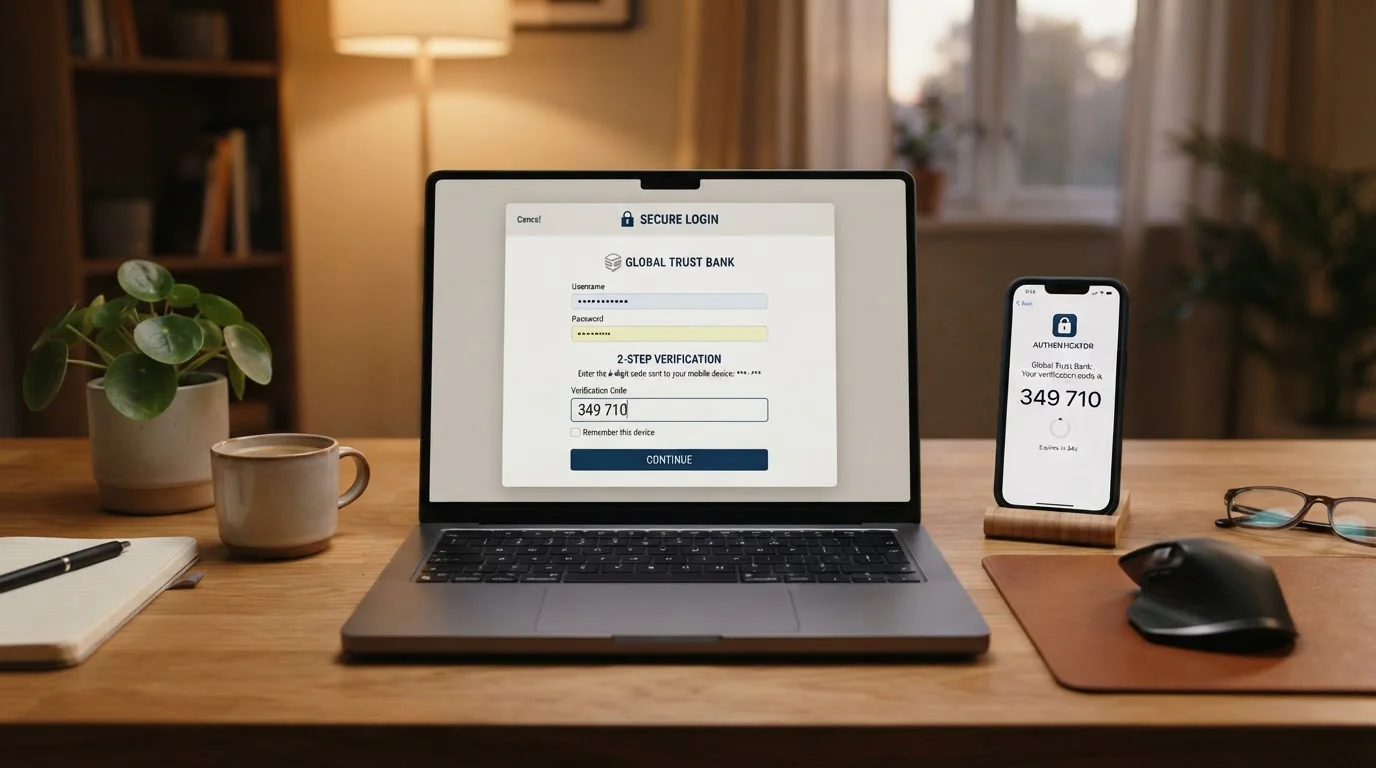
You select Trustly at the casino cashier and enter the amount you want to deposit. The system redirects you to Trustly’s portal, where you pick your bank from a list of supported institutions. You log in using your regular online banking credentials, which usually includes two-factor authentication through an SMS code, authenticator app, or biometric check on your phone. Once inside, you confirm the transfer amount and approve the transaction. The casino receives instant notification, credits your balance, and you can start playing within seconds of approval.
The deposit is authenticated at the bank level rather than stored in Trustly’s systems, which reduces the attack surface if either Trustly or the casino suffers a data breach. The transaction is tokenised, meaning only a unique identifier moves between the casino and Trustly, not your actual account details. That structure is why Trustly deposits show up on your bank statement as a transfer rather than a card purchase, and why there is no chargeback mechanism — the transfer is final once you approve it.
Authentication and Security Model
Security pivots on your bank’s own authentication stack rather than a third-party password you created on Trustly’s platform. You never create a Trustly account, never register a payment method with them, and never share your bank login with anyone other than your bank. The authentication happens inside a secure frame served by your bank, and Trustly acts as the technical bridge that confirms to the casino that your bank authorised the transfer.
This model is stronger than typing your card number into a casino cashier form, because the card number becomes a persistent credential stored in the casino’s database. If that database leaks, your card is exposed. With Trustly, no persistent credential exists on the casino side — only a record that a transfer occurred. The tradeoff is a direct paper trail: your bank statement will show the transfer to the casino or its payment processor by name, so Trustly offers no anonymity. If that matters, cryptocurrency is the better fit.
What Makes Trustly Different from Cards and E-Wallets
Credit cards are not accepted for gambling deposits in Australia under current banking policy, so the comparison is academic. Debit cards work at some casinos but route through international processors that charge foreign transaction fees and introduce currency conversion markups if the casino operates in euros or dollars rather than AUD. Trustly avoids both by moving AUD directly from your Australian bank to the operator’s AUD-denominated account where supported, or via a single conversion step where the casino does not hold an Australian currency account.
E-wallets like Skrill and Neteller require you to fund the wallet first, then move money from the wallet to the casino, creating a two-step process and often charging fees at the wallet funding stage or the cashout stage. Trustly collapses that into a single authenticated transfer with no intermediate balance to manage. The downside is that Trustly provides less separation between your bank and the casino than an e-wallet does — the transaction appears on your bank statement directly rather than showing only a transfer to Skrill. For some players that transparency is a feature. For others it is a dealbreaker.
How do I make a deposit with Trustly at an online casino?
Choose Trustly as the payment method in the casino cashier, enter your deposit amount in AUD, and click confirm. You will be redirected to Trustly’s secure portal. Select your bank from the list, log in with your usual online banking credentials including any two-factor authentication your bank requires, and approve the specific transaction amount shown. Once approved, you are returned to the casino with your balance credited instantly.
Is Trustly safer than using a credit card at online casinos?
Trustly is safer in the sense that no card number or persistent payment credential is stored on the casino’s servers. The transaction is authenticated by your bank every time, and the casino receives only a tokenised confirmation. Credit cards, by contrast, require you to hand over a long-lived credential that could be exposed if the casino’s database leaks. That said, Trustly offers no chargeback mechanism, so disputed transactions must be resolved directly with the casino rather than reversed through your card issuer.

Trustly Withdrawals — Timeline Breakdown and What to Expect
Trustly withdrawals are advertised as fast, and in mechanical terms they are. Once the casino releases the funds to Trustly, the transfer to your bank account completes within the same business day or the next. The problem is that “once the casino releases the funds” is doing most of the work in that sentence, and it is the part that sits outside Trustly’s control.
The realistic timeline for a Trustly withdrawal runs through three distinct stages, each with its own clock. The first is the casino’s internal approval process, which can take anywhere from a few hours to forty-eight depending on the operator’s staffing, your account’s KYC status, and whether the withdrawal amount triggers additional compliance checks. The second is the Trustly transfer itself, which is genuinely fast — same-day in most cases once initiated. The third is your bank’s settlement process for incoming transfers, which adds another one to two business days depending on the receiving institution.
The Multi-Stage Withdrawal Process
You request a withdrawal via Trustly in the casino cashier, selecting the amount you want to cash out. The request enters a pending queue while the casino’s finance team or automated system reviews it. If your account is fully verified and you have previously withdrawn using Trustly, the review can clear in under an hour at operators like Leon or PlayAmo. If your account is new, if the withdrawal is your first, or if the amount exceeds the casino’s automatic approval threshold, the review extends to manual checks that can take a full business day or longer.
Once the casino approves the withdrawal and releases the funds, Trustly initiates a bank transfer from the casino’s account to yours. This leg typically completes within a few hours, sometimes within minutes for smaller amounts. Your bank then processes the incoming transfer according to its own timeline, which is usually one to two business days but can stretch longer if the transfer arrives late on a Friday or before a public holiday.
Casino Approval Window (24 to 48 Hours)
The casino approval stage is the longest and least predictable part of the timeline. Operators with faster internal processes — Leon’s sub-twelve-hour claim, PlayAmo’s frequent sub-hour approvals — distinguish themselves here. Operators at the slower end, like Wild Fortune or JeetCity at up to forty-eight hours, add two full days before Trustly even receives the withdrawal instruction.
KYC verification is the most common delay. If you have not yet submitted proof of identity and address, or if your submitted documents are pending review, the withdrawal will not process until verification completes. Some casinos request additional documentation on first withdrawal even if you verified at signup, particularly for amounts above a few hundred dollars. The approval window also stretches if you are withdrawing a bonus-linked balance that has not yet cleared wagering requirements, or if the casino flags your account for a random compliance check.
Trustly Transfer and Bank Settlement
Once the casino releases the funds, Trustly handles the transfer quickly. The payment instruction goes out the same business day, and for amounts under a few thousand dollars the transfer usually clears within hours. Your bank’s settlement timeline adds the final leg. Most major Australian banks credit incoming domestic transfers within one business day, but some take two, and international transfers routed through intermediary banks can add another day.
Weekends and public holidays extend every stage. A withdrawal requested Friday evening likely will not begin casino review until Monday, will not reach Trustly until Tuesday, and will not land in your account until Wednesday or Thursday. The advertised “instant” or “24-hour” payout figures assume a withdrawal requested on a Tuesday morning from a fully verified account with no compliance flags, approved within hours, transferred same-day, and settled by your bank the next morning. That best-case scenario happens, but it is not the only scenario.
Why “Instant” Withdrawals Are Not Really Instant
The word “instant” in withdrawal marketing refers to the Trustly transfer leg, not the full door-to-door timeline. Trustly can move money from the casino’s bank to yours in hours once instructed to do so. It cannot make the casino approve the withdrawal any faster, and it cannot make your bank settle incoming transfers any faster. The confusion is deliberate — leading with “instant Trustly withdrawals” in the headline and burying the 24-to-48-hour casino approval window in the terms and conditions is standard industry practice.
For players, the takeaway is straightforward: add the casino’s advertised approval time to one or two business days for bank settlement, and that is your realistic timeline. A casino claiming twelve-hour approval means you are looking at two to three days door-to-door in typical conditions. A casino at forty-eight hours means you are looking at four to five days. Trustly’s speed advantage over traditional bank wires is real, but it is measured in days shaved off the back end, not in money arriving within the hour.
How long do Trustly withdrawals actually take from Australian online casinos?
Plan for two to five business days door-to-door. The casino’s internal approval process takes anywhere from a few hours to forty-eight hours depending on the operator and your account status. Once approved, Trustly transfers the funds within the same business day. Your bank then settles the incoming transfer in one to two business days. Weekends, public holidays, and first-time withdrawals extend the timeline.
Can I use Trustly for both deposits and withdrawals at the same casino?
Most casinos that accept Trustly deposits also support Trustly withdrawals, but not all. Check the cashier’s withdrawal section before depositing to confirm both directions are available. Using the same payment method for deposits and withdrawals reduces verification friction, because the casino’s payment processor already has a record of your bank account and does not need to re-verify a new method at cashout.
Fees, Limits, and Bank Compatibility in Australia
Trustly itself does not charge players a fee for deposits or withdrawals. The service is monetised by charging the casino a transaction fee, which is the standard model for payment processors serving merchants rather than consumers. That does not mean every Trustly transaction is free — it means the fee structure sits between Trustly and the casino, and whether any of that cost gets passed on to the player depends on the casino’s own pricing policy and, in some cases, your bank’s policy on outgoing transfers.
Most casinos absorb the transaction cost and advertise Trustly as fee-free, because charging a deposit fee is a conversion killer in a competitive market. Withdrawal fees are less common but not unheard of, particularly at operators that apply a flat processing fee to all non-cryptocurrency payouts or that waive fees only above a minimum withdrawal amount. Always check the casino’s banking terms before depositing, because a fee that appears only at cashout is the kind of surprise that turns a winning session sour.
Transaction Fees (Who Pays What)
Your bank may charge a fee for an outgoing transfer, particularly if your account type is not a standard everyday transaction account with unlimited free transfers. Business accounts, savings accounts with withdrawal limits, and some budget online banks charge per-transaction fees that apply regardless of whether the transfer is going to a casino or anywhere else. That fee, if it exists, will show on your bank statement as a separate line item and is entirely outside Trustly’s or the casino’s control.
Currency conversion introduces another cost if the casino operates in euros or US dollars rather than AUD. Trustly or the casino’s payment processor will apply an exchange rate with a markup typically in the range of one to three percent above the mid-market rate. For a hundred-dollar deposit that might be two or three dollars, invisible unless you are tracking the exchange rate closely. Over dozens of deposits the cumulative cost adds up. The cleanest way to avoid conversion fees is to play at casinos that hold AUD-denominated accounts and process Trustly transactions in Australian dollars end-to-end, which is increasingly common among operators targeting the Australian market but still not universal.
Minimum and Maximum Deposit Limits by Casino
Minimum Trustly deposits across the twelve operators range from AU$10 at Leon, Wild Fortune, Jackpot City, Spin Casino, and LeoVegas, up to AU$30 at 24Casino, Axe Casino, and JeetCity. The ten-dollar floor is low enough for casual players testing a new platform or funding a short session. The thirty-dollar floor is high enough to price out players working with smaller budgets, and that is likely intentional — casinos with higher minimums are often filtering for customers who deposit larger amounts less frequently rather than attracting high-frequency small-stakes play.
Maximum deposit limits are harder to pin down because they vary by player, account status, and the casino’s risk appetite. Publicly advertised caps tend to sit in the range of AU$1,000 to AU$5,000 per transaction for Trustly, but established accounts with verified income sources and a history of deposits can often negotiate higher limits with a casino’s VIP or finance team. Your bank may also impose its own cap on outgoing transfers per day or per transaction, particularly for online banking transfers to merchants in gambling categories, so the effective ceiling is whichever is lower.
Daily and Weekly Withdrawal Caps
Withdrawal limits are where the operators separate more sharply than on the deposit side. Wild Fortune’s daily cap near AU$1,610 with a weekly ceiling layered on top is the most restrictive in the comparison set, forcing players with larger balances to stage withdrawals across multiple days or weeks. Leon, PlayAmo, and Joo sit in a more generous range, with daily limits typically around AU$5,000 and weekly caps at AU$10,000 or higher, though exact figures are not always disclosed publicly and may vary by account tier.
VIP or highroller accounts usually negotiate higher limits as part of a tailored package, but that negotiation happens after you have deposited and played enough volume to attract the casino’s attention. For a new account, assume the default limits apply and plan accordingly. If you hit a significant win and need to cash out a five-figure sum, the withdrawal will likely be chunked across several transactions over multiple days, which is frustrating but standard across most offshore operators regardless of the payment method used.
Which Australian Banks Support Trustly
Commonwealth Bank, Westpac, NAB, and ANZ all integrate with Trustly and appear in the bank-selection list at most casinos that support the payment method. Coverage among regional banks and online-only institutions is broader than it was a few years ago, with ING, Macquarie, and Bendigo Bank confirmed as operational, though individual transaction approval can still vary based on the bank’s internal risk settings for gambling payments.
Some banks block or flag online gambling transactions as part of responsible banking policies or fraud prevention measures, regardless of whether the payment method is Trustly, a card, or a direct transfer. The block can happen at deposit or withdrawal, and it is not always disclosed in advance — you find out when the transaction declines. Calling your bank before your first deposit to confirm their policy saves the frustration of a declined transaction and a locked casino account while you sort it out.
| Bank | Trustly Support Status | Notes on Gambling Transactions |
|---|---|---|
| Commonwealth Bank | Supported | Some accounts may flag large gambling transfers for review |
| Westpac | Supported | Standard online banking transfer policies apply |
| NAB | Supported | Gambling transactions generally permitted, verify account type |
| ANZ | Supported | May require phone confirmation for first gambling transfer |
| ING | Supported | Online-only bank, gambling transfers typically unrestricted |
| Macquarie | Supported | May apply daily transfer limits below advertised casino caps |
| Bendigo Bank | Supported | Regional bank, gambling policy varies by account type |
| Other regional banks | Case-by-case | Check Trustly bank list at casino cashier before depositing |
Are there any fees when using Trustly at Australian casino sites?
Trustly itself does not charge players a deposit or withdrawal fee. Some casinos may pass on processing costs, particularly for withdrawals, so check the banking terms before depositing. Your bank may charge a fee for outgoing transfers depending on your account type. Currency conversion adds a one-to-three percent markup if the casino operates in euros or US dollars rather than AUD.
What are the minimum and maximum limits for Trustly at Australian casinos?
Minimum deposits range from AU$10 to AU$30 depending on the casino. Maximum deposits typically fall between AU$1,000 and AU$5,000 per transaction but vary by account status and can be negotiated higher for established players. Daily withdrawal limits range from around AU$1,610 at the most restrictive operators to AU$5,000 or more at others, with weekly caps layered on top.
Trustly for Australian Pokies — Game Funding in Practice
Pokies dominate the game libraries at every casino in the comparison set, typically accounting for seventy to eighty percent of available titles. Trustly does not integrate with pokies any differently than it does with table games or live dealer — the payment method funds your casino balance, and what you do with that balance afterwards is a separate decision. The reason Trustly shows up in pokies-specific searches is that the instant deposit speed aligns well with how pokies sessions tend to be structured: smaller, repeated top-ups rather than one large deposit at the start of the week.
Why Trustly Works Well for Pokies Sessions
A player funding a pokies session often deposits fifty or a hundred dollars, plays through it, and returns to the cashier to top up again within the same sitting if the session is going poorly or if a bonus round is teasing a payout. A payment method that takes minutes or hours to clear would break that rhythm. Trustly’s instant confirmation means you can move from cashier to lobby and back without waiting, which is particularly relevant for players who prefer to control their spend by depositing in increments rather than loading a large balance upfront and hoping discipline holds.
The same speed advantage applies to any casino game type, but pokies sessions tend to burn through balances faster than table games or live dealer, so the return-to-cashier frequency is higher. That is a structural feature of pokies design — higher variance, faster spin rates, bonus features that can drain a balance in minutes — not a Trustly-specific dynamic. Trustly is just the payment method that does not slow the process down.
Top Pokies Providers at Trustly Casinos
The twelve operators listed above source pokies from the usual mix of major and mid-tier studios. Microgaming, NetEnt, Play’n GO, Pragmatic Play, and Quickspin appear across nearly all of them. PlayAmo’s fifty-plus provider roster adds smaller studios like Yggdrasil, ELK Studios, Nolimit City, and Thunderkick, which keeps the lobby from feeling like a clone of every other casino built on the same white-label platform.
Popular titles available at most Trustly casinos include Book of Dead, Gonzo’s Quest, Starburst, Gates of Olympus, Big Bass Bonanza, Wolf Gold, and Sweet Bonanza. Land-based conversions like Queen of the Nile, 50 Lions, and More Chilli show up less frequently at offshore operators than they do in Australian pubs and clubs, because the licensing for those titles often restricts online distribution outside specific jurisdictions. The offshore operators lean on European and global studios rather than Australian-market exclusives.
Funding Small Repeated Top-Ups
If your pokies play involves depositing twenty or thirty dollars multiple times per session rather than loading a few hundred at once, the ten-dollar minimum at Leon, Wild Fortune, Jackpot City, Spin Casino, and LeoVegas keeps the entry accessible. The thirty-dollar floor at 24Casino, Axe Casino, and JeetCity prices that approach out, which is likely intentional — those operators are filtering for customers who deposit less frequently in larger amounts.
The instant deposit confirmation also matters for players who set a session budget and want to stick to it. Depositing fifty dollars, playing it through, and then having to wait for a second deposit to clear introduces friction that can act as a natural brake. Trustly removes that brake, which is a feature if you value convenience and a risk if you value forced pauses. Responsible gambling tools like deposit limits and session timers are independent of the payment method and should be configured at the casino level if impulse control is a concern.
Trustly vs Other Payment Methods — Feature Comparison
Trustly occupies a middle band between the simplicity of card payments, the separation of e-wallets, and the speed of cryptocurrency. Each method solves for a different priority, and the right choice depends on what you value most: speed, privacy, convenience, or regulatory oversight.
Trustly vs Credit Cards
Credit cards are not accepted for gambling deposits in Australia under current banking policy, so the comparison is theoretical. Debit cards work at some offshore casinos but introduce foreign transaction fees if the casino operates in euros or dollars, and the transaction shows on your statement as a card purchase to an overseas merchant, which some banks flag or block. Trustly avoids both the foreign transaction fee and the card network entirely by processing the deposit as a bank transfer, which is less likely to trigger fraud alerts.
Withdrawals back to debit cards take three to five business days in typical conditions, compared to Trustly’s two-to-five-day timeline including casino approval. The card network adds settlement time that Trustly bypasses by moving money bank-to-bank. Cards also require you to hand over a long-lived credential that sits in the casino’s database until you delete it or the database leaks. Trustly avoids that exposure by authenticating every transaction fresh through your bank.
Trustly vs E-Wallets (Skrill, Neteller, PayPal)
E-wallets require you to create a separate account, fund it from your bank or card, and then move money from the wallet to the casino. That two-step process adds friction at deposit and often introduces fees — Skrill and Neteller both charge one to three percent for loading funds or cashing out, depending on the method used. Trustly collapses the process into a single authenticated transfer with no intermediate balance to manage and typically no fee to the player.
The advantage e-wallets offer is separation. Your bank statement shows a transfer to Skrill, not to a casino. For players who value that layer of privacy or who want to keep gambling transactions off their primary bank statement, e-wallets deliver something Trustly cannot. E-wallets also tend to have higher transaction limits than Trustly, particularly for deposits, which matters to highrollers moving five-figure sums.
Withdrawal speed is comparable once the casino approves the cashout. Skrill and Neteller withdrawals process within twenty-four hours at most casinos, similar to Trustly’s timeline post-approval. The difference is that e-wallet balances can sit in the wallet indefinitely, whereas Trustly sends the money straight to your bank account. That is either a feature or a drawback depending on whether you want the funds parked somewhere you can re-deposit them quickly or sent back to your bank where they are harder to re-gamble on impulse.
Trustly vs Cryptocurrency
Cryptocurrency offers the fastest withdrawals and the highest degree of anonymity, but it requires you to manage a crypto wallet, understand network transaction fees, and accept price volatility between the time you deposit and the time you cash out. A Bitcoin deposit worth a hundred dollars today might be worth ninety-five or a hundred and five by the time you withdraw it, depending on market movement. Trustly avoids that volatility by moving fiat currency directly.
Crypto withdrawals at casinos that prioritise them can process in under an hour once approved, faster than Trustly’s timeline. Deposits are similarly fast once the blockchain confirms the transaction, though network congestion can delay confirmation during peak periods. The privacy advantage is real — a crypto deposit does not appear on your bank statement, and the blockchain transaction is pseudonymous rather than tied to your name and account number.
The tradeoff is complexity. You need to acquire cryptocurrency through an exchange, transfer it to a non-custodial wallet if you want full control, manage private keys, and reverse the process at withdrawal. For players comfortable with that workflow, crypto is faster and more private. For everyone else, the learning curve and the volatility risk make Trustly the simpler choice.
| Payment Method | Deposit Speed | Withdrawal Speed | Fees | Anonymity | Compatibility |
|---|---|---|---|---|---|
| Trustly | Instant | 2-5 business days | Typically none | Low (bank statement) | Major AU banks |
| Debit Cards | Instant | 3-5 business days | Foreign transaction fees common | Low (statement shows casino) | Limited for AU gambling |
| E-Wallets (Skrill, Neteller) | Instant | 1-3 business days | 1-3% for funding or cashout | Medium (statement shows e-wallet) | Universal |
| Cryptocurrency (Bitcoin, Ethereum) | 10-60 minutes | Under 1 hour post-approval | Network fees (variable) | High (pseudonymous) | Requires wallet setup |
How does Trustly compare to credit cards, PayPal, or cryptocurrency?
Trustly is faster than cards for withdrawals, simpler than cryptocurrency, and more direct than e-wallets because it requires no intermediate account. It offers less anonymity than crypto and less separation than PayPal, but it avoids the setup complexity and volatility of crypto and the fees of most e-wallets. Choose Trustly if you value convenience and your bank supports it, e-wallets if you want separation, and crypto if speed and privacy outweigh complexity.
Bonuses, Promotions, and Loyalty Programs
Trustly deposits qualify for the same welcome bonuses, reload offers, and free-spin promotions as any other payment method at the casinos listed above. There is no Trustly-specific bonus category, and the terms do not change based on how you fund your account. If a casino advertises a two-hundred percent match to AU$1,360 with a hundred free spins, that offer applies whether you deposit via Trustly, Skrill, or Bitcoin.
The one exception to universal bonus eligibility is casinos that exclude specific payment methods from promotions, usually Neteller and Skrill due to historical bonus abuse patterns. Trustly is not typically excluded, because the bank-authenticated transfer model and the inability to chargeback make it less attractive for bonus hunters than e-wallets or cards. Check the bonus terms before depositing if your primary goal is to claim a specific offer, but in most cases Trustly will qualify.
Loyalty programmes at the casinos above range from points-based schemes like Leon’s earn-and-redeem structure to tiered VIP programmes at LeoVegas and JeetCity that unlock higher withdrawal limits, dedicated account managers, and tailored reload bonuses. The payment method you use does not affect your progression through those tiers — the casino tracks total deposits and wagered amounts, not the mechanism you used to move the money.
Cashback offers are the promotion type where Trustly deposits sometimes see an advantage over e-wallets, because casinos that exclude Neteller and Skrill from cashback eligibility usually do not exclude bank transfer methods. Joo’s fifteen percent weekly cashback capped at five thousand US dollars applies to Trustly deposits without restriction, for example. That is less about Trustly being favoured and more about e-wallets being penalised due to their reversibility and historical association with bonus arbitrage.
Can I get the same casino bonuses if I deposit with Trustly?
Yes. Trustly deposits qualify for the same welcome bonuses, reload offers, and free spins as other payment methods. Some casinos exclude Neteller and Skrill from specific promotions due to bonus abuse concerns, but Trustly is rarely excluded. Always check the bonus terms before depositing to confirm eligibility for the specific offer you are targeting.
Legal Context for Australian Players Using Trustly
The Interactive Gambling Act 2001 governs online gambling at the federal level in Australia. The Act prohibits the provision of online casino services to Australian residents from within Australia or by operators targeting Australian consumers with advertising. It does not criminalise the act of an Australian player placing a bet with an offshore operator. That distinction creates a market where Australian players can access international casino sites, but those sites operate in a legal grey zone and do not hold Australian licences.
The Interactive Gambling Act 2001 and Offshore Operators
The IGA makes it illegal for an operator to offer online casino games to Australians from a server hosted in Australia or from a company incorporated here. The law targets supply, not demand. Offshore operators licensed in Malta, Curaçao, the UK, or other jurisdictions can accept Australian players as long as they are not marketing directly into Australia through television ads, billboards, or other local media. Enforcement focuses on blocking access to unlicensed sites through ISP-level blocks administered by the Australian Communications and Media Authority, but those blocks are limited in scope and relatively easy to circumvent.
For players, the practical implication is that every casino listed in this guide operates outside Australian jurisdiction. Trustly deposits to those casinos are legal from the player’s perspective, but the casino itself is not licensed to serve you under Australian law. That does not mean the casinos are illegal to use — it means they exist in a regulatory gap where Australian law has not extended, and offshore regulators in Malta, the UK, or Curaçao govern their conduct instead.
Trustly’s Regulatory Status
Trustly is a licensed payment service provider regulated by the Swedish Financial Supervisory Authority. It operates in Australia as a payment intermediary, not as a gambling operator, so it falls outside the scope of the Interactive Gambling Act. Using Trustly to move money between your bank and a casino is legal regardless of where the casino is licensed. The payment method itself carries regulatory legitimacy, but it does not confer legitimacy onto the merchant receiving the funds.
That separation is why Trustly can be present at casinos that do not hold Australian licences without creating a legal issue for the player. The payment is a bank transfer, authenticated and processed through regulated financial infrastructure. Where the transfer goes afterwards is a separate question governed by gambling law, not payment law, and the IGA addresses that by targeting operators rather than players.
Player vs Operator Legal Obligations
Australian players face no legal penalty for depositing at offshore casinos or for using Trustly to fund those deposits. The IGA’s prohibitions are directed at operators and advertisers, not at individuals placing bets. That does not mean offshore gambling is risk-free — it means the risk is commercial rather than legal. An unlicensed or poorly licensed operator can refuse to pay out a win, delay verification indefinitely, or vanish overnight, and your recourse is limited to whatever dispute process the operator’s home regulator provides.
Malta Gaming Authority and UK Gambling Commission licences offer stronger player protection than Curaçao licences, which offer weaker oversight and less reliable dispute resolution. No offshore licence offers the same protection an Australian domestic licence would provide if such licences existed for online casinos, which they do not under the current framework. The best defence is choosing operators with long track records, transparent ownership, and licences from reputable jurisdictions.
July 2026 Licensing Reform (What’s Changing)
Legislation scheduled to take effect on 1 July 2026 will introduce a domestic licensing regime for online casinos and poker rooms in Australia. The reform creates a single national licence administered by the Australian Gambling Commission, replacing the current prohibition on domestic operators. Licensed operators will be required to integrate real-time gambling exclusion checks, maintain a 24-hour self-exclusion register, and contribute a five percent levy on gross gaming revenue to fund treatment programmes and research.
The reform does not ban offshore operators or make it illegal for Australian players to use them. It creates a legal pathway for domestic operators to enter the market, which will introduce licensed competition and potentially higher regulatory standards. Offshore operators that wish to continue serving Australian players after the reform will face pressure to comply with the national exclusion database and other consumer protection measures, though the legislation’s extraterritorial reach is not yet fully clarified.
For Trustly users, the reform may expand the pool of licensed casinos that support the payment method, particularly if domestic operators adopt Trustly as part of their banking infrastructure. The current offshore market will likely persist alongside the new domestic market, and players will choose between licensed local operators with stronger oversight and offshore operators with fewer restrictions and potentially more generous terms.
Is it legal for Australians to use Trustly at offshore online casinos?
Yes. The Interactive Gambling Act 2001 targets operators providing online casino services to Australians, not individuals using those services. Using Trustly to deposit at an offshore casino does not create a legal issue for the player. The casino operates outside Australian jurisdiction, but Trustly itself is a regulated payment provider and the transaction is a standard bank transfer. Choose casinos with reputable offshore licences (Malta, UK) for stronger player protection.

Common Issues and Troubleshooting
Trustly deposits fail or delay less often than card payments, because the authentication happens inside your bank’s environment and the transfer is either approved or declined in real time. When problems do surface, they cluster around bank compatibility, account verification mismatches, and authentication timeouts rather than mysterious pending states that last for hours.
What to Do When a Trustly Deposit Fails
A failed deposit usually means one of three things: your bank declined the transaction, you did not complete the authentication step within the time window, or your bank account does not have sufficient funds to cover the transfer. Check your bank account first to confirm the balance and verify whether the transaction appears as pending or declined on your statement. If it is pending, wait a few hours — some banks place a temporary hold on gambling-related transfers while their fraud systems review them, then release the hold automatically.
If the transaction is declined, call your bank to confirm their policy on online gambling payments. Some institutions block casino transfers by default and require you to approve gambling merchants in your online banking settings or by phone. If your bank confirms they allow gambling transfers and the transaction still fails, the issue is likely on the casino’s side — their payment processor may have rejected the transaction due to mismatched account details, daily limit exceeded, or a technical error in the Trustly integration. Contact the casino’s support team with the transaction reference number and timestamp.
Bank Blocking Gambling Transactions
A minority of Australian banks block outgoing transfers to gambling merchants as part of responsible banking policies or to limit their own regulatory exposure. The block is not universal across all casinos or all transaction amounts — some banks allow small transfers but flag large ones, others block specific merchant categories while allowing others. If your bank blocks the transfer, you have three options: switch to a different payment method, open an account at a bank with a more permissive gambling policy, or negotiate an exception with your current bank by demonstrating responsible gambling controls like deposit limits and self-exclusion registers.
ING and Macquarie are generally more permissive toward gambling transactions than some of the major four, though policy can vary by account type and customer history. Commonwealth Bank and ANZ occasionally flag first-time gambling transfers for phone confirmation but usually allow subsequent transfers without intervention. Westpac and NAB policies fall somewhere in between. If you plan to use Trustly regularly, confirming your bank’s policy before opening a casino account saves the frustration of a declined first deposit.
Mismatched Account Names and KYC Delays
Casinos require the name on your casino account to match the name on the bank account you are depositing from. If you deposit via Trustly using a joint account, a business account, or an account under a different name than your casino registration, the deposit may succeed but the withdrawal will fail verification. The casino’s compliance team will flag the mismatch and request additional documentation proving your relationship to the account, which can delay cashout by days or weeks.
The cleanest approach is to use a personal bank account in your own name for both deposits and withdrawals, and to ensure your casino account registration matches your bank account and government-issued ID exactly — same spelling, same legal name, no nicknames. If you must use a joint account, contact the casino’s support team before depositing to clarify their policy. Some accept joint accounts with both account holders submitting ID, others do not.
Authentication Timeout Issues
Trustly’s authentication window stays open for a few minutes while you log into your bank and approve the transfer. If you close the browser tab, navigate away, or let the session idle while you check your account balance elsewhere, the session expires and the deposit fails. The casino usually returns you to the cashier with an error message, and you can retry the deposit immediately.
Authentication timeouts are more common on mobile if you switch apps to check a text message for your bank’s two-factor code and the browser loses focus. Keep the Trustly authentication page open, retrieve your 2FA code from SMS or an authenticator app without switching apps if possible, and complete the approval within a minute or two. If the timeout persists across multiple attempts, try depositing from a desktop browser or contact your bank to confirm their online banking platform is not blocking third-party authentication requests.
What happens if my Trustly deposit fails or gets declined?
Check your bank account for pending or declined transactions, then confirm your bank allows gambling payments. If the bank approved the transfer but the casino did not credit your account, contact casino support with the transaction reference number. If your bank blocked the transfer, call them to clarify their gambling policy or switch to a different bank that permits casino transactions. Authentication timeouts can be resolved by completing the approval step faster or trying from a desktop browser.
Do I need to verify my identity before withdrawing with Trustly?
Yes. All casinos require identity verification before processing a withdrawal, regardless of payment method. You will need to submit government-issued photo ID, proof of address (utility bill or bank statement), and sometimes proof of the payment method used to deposit. Verification typically takes 24 to 48 hours. Submit documents immediately after your first deposit to avoid delays when you request a cashout.

Selection Criteria — How We Ranked These Casinos
The twelve casinos listed above were selected from a broader pool of eighteen offshore operators that accept Trustly for Australian players. The selection criteria weighted payout reliability, licence quality, and operational longevity above bonus generosity and game library size, because a fast bonus claim means nothing if the withdrawal stalls for three weeks without explanation.
Licence jurisdiction was the first filter. Operators holding Malta Gaming Authority or UK Gambling Commission licences received priority over Curaçao-licensed or undisclosed-jurisdiction operators, because Malta and UK regulators enforce meaningful audit requirements, segregated player funds, and external dispute resolution. Curaçao licences vary widely in quality, and operators that do not disclose their licence publicly are treated as lower-tier unless their operational track record compensates.
Payout speed was the second filter, measured by the casino’s internal approval window rather than the Trustly transfer time, because that is the stage where delays actually occur. Casinos advertising sub-twelve-hour or sub-twenty-four-hour approvals were ranked higher than those at forty-eight hours, conditional on user reviews confirming those timelines hold in practice rather than being marketing fiction.
Operational history was the third filter. Casinos with ten-plus years of continuous operation under the same ownership and licence were favoured over newly launched brands, because longevity correlates with financial stability and lower risk of abrupt closure. Jackpot City’s twenty-plus years and LeoVegas’s MGM backing are material advantages over operators that launched last year and may not survive the next regulatory shift.
Minimum deposit thresholds, withdrawal caps, and customer review scores provided the tiebreakers within each tier. Operators with ten-dollar minimums are more accessible than those at thirty dollars. Operators with daily withdrawal caps above five thousand dollars are less restrictive than those capping cashouts at sixteen hundred. Customer review aggregators filtered for patterns of delayed payouts, unresponsive support, and bonus terms that invalidate winnings through technicalities.
Game library size and bonus generosity were deliberately not weighted heavily, because a casino with six thousand pokies and a three-hundred percent welcome match is not worth choosing if it stalls your first withdrawal for a manual review that stretches across a fortnight. Trustly’s value is speed and convenience, and that value evaporates if the casino’s back-end operations do not match the payment method’s efficiency.
Deposit Methods at Australian Online Casinos 2026 — Compared
Content created by the «AussieChips» team
