
Casinos That Accept CashtoCode in Australia: The Honest Map for 2026
 Available in US

CashtoCode is a prepaid voucher system that lets you fund an online casino account without touching your bank statement. You buy a code with cash (or through an online reseller), punch it into the casino cashier, and the money lands. No card details, no digital trail back to your main account, no bank blocking the transaction because it detected a gambling merchant.
For Australian players in 2026, that’s the selling point. Australian banks have gotten aggressive about flagging casino deposits. Some charge extra fees, others outright decline payments to known offshore operators. Commonwealth Bank, NAB, Westpac, and ANZ have all tightened their policies around gambling transactions over the past few years, and the trend is toward more scrutiny, not less. If you’ve ever had a card declined at an online casino despite having funds available, you know the frustration. CashtoCode sidesteps that entirely.
But here’s what the marketing doesn’t tell you: every offshore casino accepting CashtoCode operates outside Australian regulatory oversight. The Interactive Gambling Act 2001 bans locally licensed operators from offering online casino games, and the grandfather-clause casinos that squeaked through before the ban don’t accept CashtoCode (the payment method launched in 2016, well after the licensing freeze). So if you’re using CashtoCode at an online casino in 2026, you’re dealing with a Curaçao or Malta-licensed operator. That means privacy in exchange for regulatory protection. The casino never sees your bank details, and you never see an Australian regulator if something goes sideways.
This isn’t a scare piece. Offshore casinos work for thousands of Australian players every day. The operators listed below process millions in deposits annually, pay out winnings, and maintain functional customer support. But the trade-off is real, and pretending it doesn’t exist does nobody any favours. What follows is a concrete map of which casinos accept CashtoCode, how the voucher system actually works, what it costs you in real AUD, and when you’d be better off using a card or e-wallet instead.
What is CashtoCode and how does it work for online casinos?
CashtoCode is a prepaid eVoucher. You buy it online from an authorised reseller (Dundle, Recharge, SEAGM, others), pay via card or bank transfer or crypto, and receive a 20-digit PIN by email. You take that PIN to the casino cashier, enter it, and the voucher value lands in your account. The transaction is instant, the code is single-use, and the casino never touches your banking information. Think of it as a gift card for gambling.
Eight Casinos That Accept CashtoCode in Australia (2026)
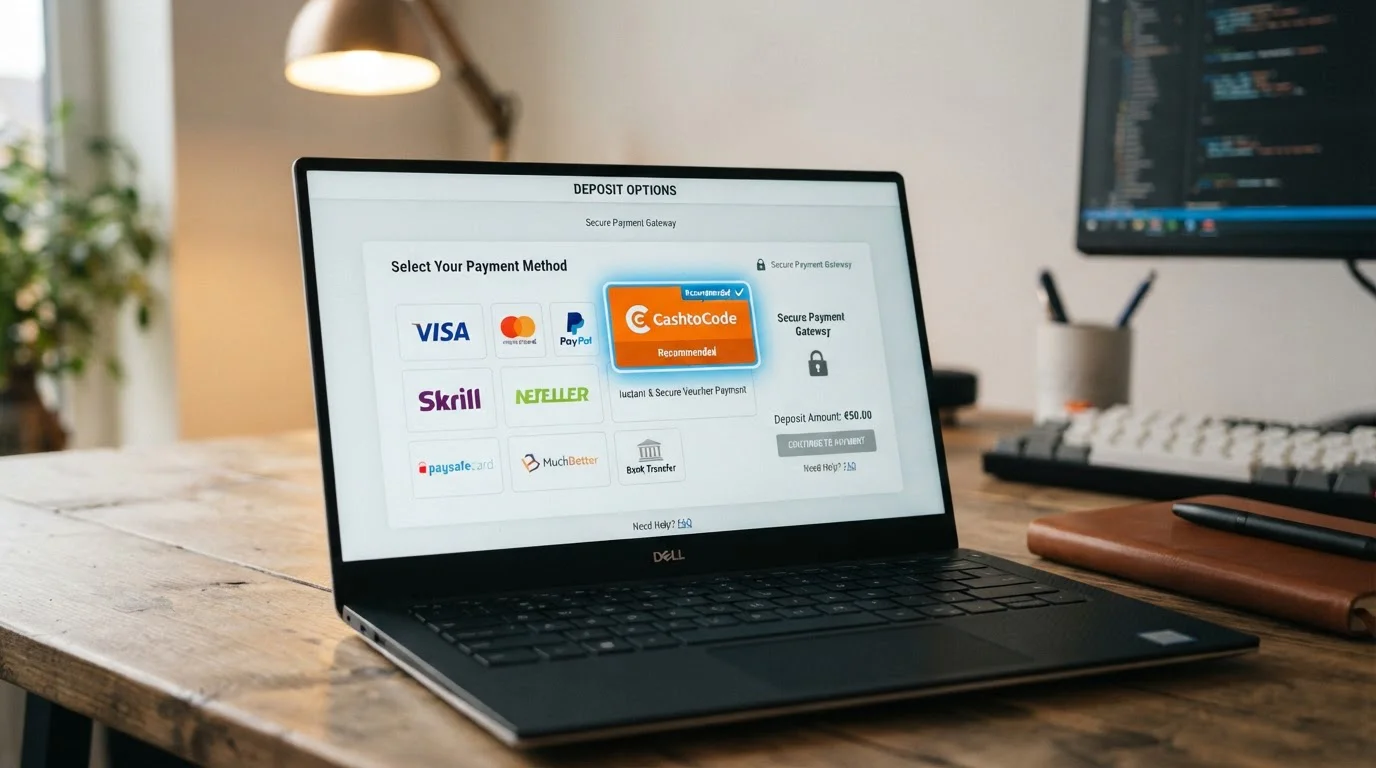
The offshore casino market changes fast. Operators come and go, payment processors drop methods without warning, and a site that worked last month might be geo-blocked this month. The eight casinos below have consistently accepted CashtoCode from Australian players through 2026, maintain reasonable reputations, and offer functional gaming experiences. “Functional” is the ceiling here. None of these operators hold an Australian license. All eight are offshore, licensed in jurisdictions like Curaçao or Malta, and player protection is limited to whatever their home regulator enforces (which, in Curaçao’s case, is not much).
The table below gives you the comparison at a glance. The breakdowns that follow give you the specifics per operator—what they actually offer, who owns them, and what distinguishes one from another beyond the marketing copy.
| Operator | License | Min Deposit | Processing Time | Key Feature |
|---|---|---|---|---|
| Skycrown Casino | Curaçao OGL/2023/176/0095 | AUD 30 | Instant to 10 min | 6,000+ games, crypto-fast payouts |
| Ricky Casino | Curaçao 8048/JAZ2020-013 | AUD 10 | Instant to 15 min | Staged 10-deposit bonus, PayID withdrawals |
| PlayAmo | Curaçao eGaming | AUD 20 | Instant to 10 min | Crypto-fiat hybrid, backup payment options |
| Joe Fortune | Curaçao eGaming | AUD 20 | Instant to 20 min | Australia-focused branding, POLi support |
| Playfina Casino | Curaçao 8048/JAZ2020-13 | AUD 30 | Instant to 15 min | High bonus ceiling (AUD 6,500) |
| BitStarz | Curaçao Antillephone 131879 | AUD 20 | Instant to 10 min | Operational since 2014, 20 no-deposit spins |
| Jackpot City | Malta Gaming Authority | AUD 20 | Instant to 15 min | MGA license, 20+ years operational |
| Spin Casino | Malta Gaming Authority | AUD 20 | Instant to 15 min | MGA license, mobile-optimised |
Skycrown Casino
Operated by Hollycorn N.V., a Curaçao-registered entity, Skycrown launched in 2022 and carries a Curaçao Gaming Authority license (OGL/2023/176/0095). It’s not licensed in Australia, not regulated by any Australian authority, and if a dispute arises, your recourse is to Curaçao’s regulator—which, historically, means no recourse at all. The game library runs to 6,000–7,000 titles from over 80 providers, leaning heavily on Pragmatic Play, NetEnt, Play’n GO, and Evolution for live dealer tables. The welcome bonus stretches to AUD 7,500 plus 400 free spins, though the wagering sits at 40x and the fine print is dense.
What sets Skycrown apart is the size of the catalogue. Most offshore casinos targeting Australia sit around 3,000–4,000 games; Skycrown doubles that. The library includes niche providers like Nolimit City, Hacksaw Gaming, and Push Gaming alongside the mainstream heavyweights, which means you get access to high-volatility slots and experimental mechanics that smaller casinos don’t carry. Whether you’ll notice the difference depends on how deep you dig into the pokies library, but if variety matters, this is where it lives. Crypto withdrawals are advertised as instant (in practice, under an hour for Bitcoin and Ethereum), and card or e-wallet withdrawals run 1–3 days. Minimum CashtoCode deposit is AUD 30.
The VIP program at Skycrown is structured in tiers, with benefits scaling from cashback percentages to dedicated account managers at the higher levels. Most players won’t reach the top tiers—those are reserved for high-rollers depositing five figures monthly—but the lower tiers are accessible and offer weekly reload bonuses and birthday perks.
For a casino launched in 2022, Skycrown has captured Australian market share quickly. That’s either a sign of good marketing or a sign that players tolerate the Curaçao license in exchange for the game selection and payout speed. Either way, it’s offshore, and you accept that trade-off the moment you deposit.
Ricky Casino
Ricky Casino is run by Dama N.V., a Curaçao-registered operator managing a stable of offshore casino brands (PlayAmo and BitStarz among them). The license is Curaçao eGaming 8048/JAZ2020-013, which puts it in the same regulatory bucket as Skycrown—offshore, no Australian oversight, player protection limited to Dama’s reputation and Curaçao’s enforcement (the latter being largely theoretical).
The game library sits around 3,000 titles from 40+ providers. The welcome bonus is structured unusually: AUD 7,500 plus 550 free spins spread across your first ten deposits, activating automatically without a code. The minimum qualifying deposit is AUD 10 (though some sources cite AUD 30; confirm before depositing), and wagering is 50x on the bonus. That 50x hurts. For context, depositing AUD 100 and claiming a AUD 100 match means you need to wager AUD 5,000 before you can withdraw a cent of bonus winnings. Not unheard of, but steep.
Ricky’s distinguishing feature is payment-method breadth. CashtoCode sits alongside PayID (popular in Australia), Neosurf (also popular), and crypto. If CashtoCode stops working or you hit a deposit issue, you have fallback options without leaving the platform. Withdrawals via PayID take 1–3 days, crypto runs faster. The platform is mobile-optimised, and 24/7 live chat is standard.
Dama N.V. has been operating offshore casinos for years, which gives Ricky a degree of operational stability. That doesn’t make it safe—it just means the parent company hasn’t collapsed yet. For Australian players who value payment flexibility and don’t mind the 50x wagering, Ricky is a functional choice.
PlayAmo
Another Dama N.V. brand, PlayAmo holds a Curaçao eGaming license and positions itself as a crypto-fiat hybrid. You can deposit with CashtoCode, cards, e-wallets, Bitcoin, Ethereum, Litecoin, and a handful of other cryptocurrencies. The game library size varies by source (some cite 2,000+, others push past 4,000), so treat the total as “several thousand” and focus on the provider list instead: Microgaming, NetEnt, Betsoft, Yggdrasil, and Evolution for live dealer.
PlayAmo doesn’t lead on any single metric. The bonus packages are competitive but not exceptional, the game count is solid but not the largest, the payout speed is fast but not the fastest. What it offers is flexibility. If you’re the kind of player who likes having six payment methods in the cashier so you can route around a declined transaction, PlayAmo makes sense. If CashtoCode fees start to grate, you can pivot to crypto and skip the reseller markup entirely.
The Curaçao license is the same regulatory vacuum as Ricky and Skycrown. Dama N.V.’s track record means the site probably won’t vanish overnight, but “probably won’t vanish” is a low bar. Use it for what it is: a flexible payment ecosystem wrapped around an offshore casino.
Joe Fortune
Joe Fortune wears its Australian focus openly. The branding is kangaroo-heavy, the currency defaults to AUD, the customer support hours align to Australian time zones, and the payment methods lean into local preferences: POLi, Neosurf, and CashtoCode all feature prominently. The operator is offshore, licensed in Curaçao, and not subject to Australian regulation, but the marketing is unmistakably aimed at the Australian market.
The game library is smaller than Skycrown or Ricky—around 1,000 titles instead of 3,000+. That’s still plenty for casual play, and the library is curated toward pokies and live dealer tables rather than bloated with filler. The welcome bonus goes up to AUD 5,000, minimum deposit starts at AUD 20, and CashtoCode deposits land instantly. Withdrawals run through the usual channels (bank transfer, e-wallet, crypto), with crypto being the fastest (hours, not days).
Joe Fortune’s selling point is the local flavour. If you want a casino that feels like it was built for Australian players specifically, rather than a generic offshore site with AUD tacked on, this is it. The trade-off is the smaller game library and the Curaçao license. You’re still offshore, still outside Australian consumer protection, and still relying on the operator’s goodwill if a dispute arises.
Playfina Casino
Playfina launched in 2022 under a Curaçao eGaming license (8048/JAZ2020-13) and targets Australian players with AUD-native accounts and a welcome bonus that caps at AUD 6,500 plus 300 free spins. That AUD 6,500 ceiling is among the highest in the offshore market, though the wagering requirement (typically 40x) means clearing it is an endurance test. Minimum deposit is AUD 30, and CashtoCode deposits process instantly.
Withdrawal limits are structured clearly: AUD 7,000 daily, AUD 10,000 weekly, AUD 70,000 monthly. Those caps are middle-of-the-road—high enough that casual players won’t hit them, low enough that high rollers will feel the squeeze. Processing times run 1–3 days for most methods, faster for crypto.
Playfina doesn’t have a long operational history (launched 2022), so you’re betting on a newer entrant rather than an established brand. The high bonus ceiling is attractive if you’re depositing large amounts and willing to grind through the wagering. The Curaçao license is the same regulatory void as every other site on this list. Public information on the operator entity is sparse, which is typical for newer Curaçao-licensed casinos but doesn’t inspire confidence.
BitStarz
BitStarz is the elder statesman of this list. Launched in 2014, it’s been operating as a crypto-fiat hybrid for over a decade, which in offshore casino terms makes it practically ancient. The operator is Dama N.V. (same parent as Ricky and PlayAmo), the license is Curaçao Antillephone N.V. (number 131879), and the game library runs to 4,000+ titles from providers like Pragmatic Play, NetEnt, Microgaming, and Evolution.
The welcome bonus spreads across four deposits: up to 5 BTC or AUD 2,000 plus 180 free spins. On top of that, you get 20 no-deposit spins just for signing up, which is rare among offshore casinos (most demand a deposit before handing over anything). Wagering is 40x on the bonus, minimum deposit is AUD 20, and crypto withdrawals are near-instant (usually under an hour). Card and e-wallet withdrawals take 1–5 days.
BitStarz’s longevity is its distinguishing feature. A casino that’s survived regulatory shifts, payment processor shakeups, and market consolidation for over ten years has a degree of operational resilience that newer sites don’t. That doesn’t make it “safe”—it’s still Curaçao-licensed, still offshore, still outside Australian regulatory reach—but it does mean the infrastructure is battle-tested. If you’re going to gamble at an offshore casino, betting on one that’s been around since 2014 is marginally less risky than betting on one that launched last month.
Jackpot City
Jackpot City holds a Malta Gaming Authority license, which puts it in a different regulatory tier than the Curaçao casinos dominating this list. The MGA enforces stricter operational standards, requires regular audits, and has a dispute-resolution process that occasionally favours players. It’s still offshore from an Australian perspective—no Australian license, no Australian regulator—but MGA oversight is materially stronger than Curaçao’s light-touch approach.
The casino has been operational since the late 1990s, making it one of the longest-running online casinos still accepting players. The game library is Microgaming-heavy, with a strong showing from NetEnt and Evolution for live dealer tables. The welcome bonus structures vary by region, minimum deposit is typically AUD 20, and CashtoCode deposits process instantly. Withdrawals via e-wallet take 24–48 hours, card withdrawals 3–5 days.
Jackpot City’s reputation rests on longevity and the MGA license. If you’re choosing between offshore operators, an MGA-licensed site gives you marginally better player protection than a Curaçao site. “Marginally better” is doing a lot of work in that sentence—you’re still offshore, still relying on the operator to honour withdrawals, and still outside Australian jurisdiction—but the gap between MGA and Curaçao regulation is real.
Spin Casino
Spin Casino is a sister brand to Jackpot City, operated by the same group and licensed by the Malta Gaming Authority. The infrastructure, payment systems, and game providers overlap significantly. The distinguishing feature is the mobile-first design—Spin was built from the ground up for smartphone play, and it shows in the interface and navigation.
The game library leans into pokies and live dealer tables, minimum deposit is AUD 20, CashtoCode deposits land instantly, and withdrawal times mirror Jackpot City (24–48 hours for e-wallets, 3–5 days for cards). The welcome bonus varies by region, and the MGA license provides the same regulatory tier as Jackpot City.
If you play primarily on mobile and want the regulatory upgrade of an MGA license (relative to Curaçao), Spin makes sense. The shared infrastructure with Jackpot City means you’re betting on an established operator rather than a new entrant. It’s still offshore, still outside Australian consumer protection, but the MGA layer is a material step up from Curaçao’s hands-off approach.
Are casinos that accept CashtoCode legal for Australian players?
Using CashtoCode at an offshore casino is not illegal for Australian players. The Interactive Gambling Act 2001 targets operators, not individuals, and no Australian has been prosecuted for placing a bet at an offshore site. But “not illegal” doesn’t mean “protected.” The casinos listed above are not licensed in Australia, not regulated by Australian authorities, and if a withdrawal is withheld or a game malfunctions, you have no recourse through Australian consumer law. Your complaint goes to Curaçao or Malta, and enforcement in those jurisdictions is inconsistent at best.
How to Buy a CashtoCode Voucher in Australia
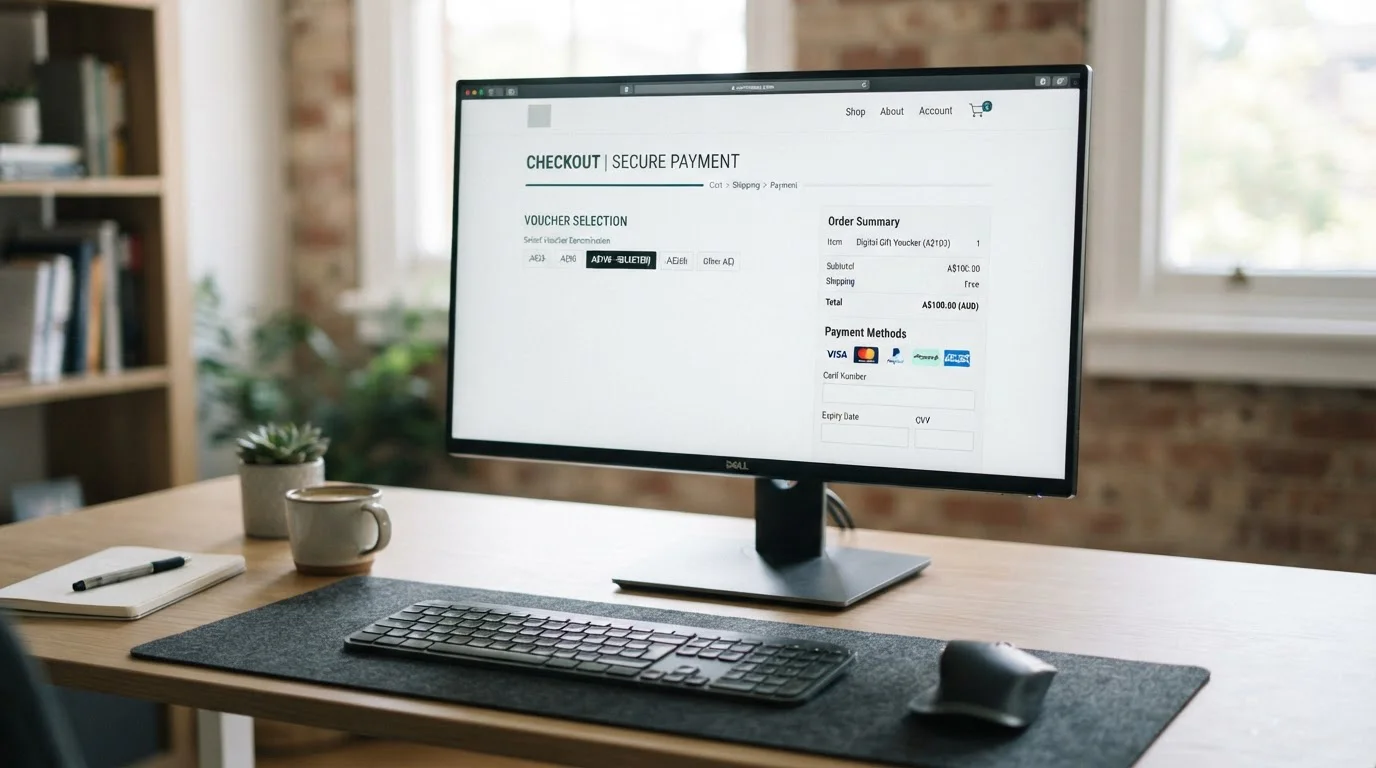
CashtoCode vouchers in 2026 are bought online, not at retail stores. The retail product (CashtoCode Classic, sold over the counter in some European markets) doesn’t operate in Australia. You’re dealing with eVouchers: digital codes purchased from authorised resellers and delivered by email.
Online Resellers: Where to Buy in 2026
The authorised reseller network for Australia includes Dundle, Recharge.com, SEAGM, OffGamers, CoinsBee, GoodPay, and Reloadhero. Each reseller sets its own checkout flow, accepted payment methods, and fee structure. The table below summarises the main options:
| Reseller | Payment Methods | Typical Fee |
|---|---|---|
| Reloadhero | Card, PayPal, bank transfer | 3–5% |
| Dundle | Card, PayPal, bank transfer, crypto | 4–6% |
| Recharge.com | Card, PayPal, bank transfer | 5–7% |
| SEAGM | Card, e-wallet, crypto | 5–8% |
| CoinsBee | Crypto only | 4–6% |
Fees vary by payment method, denomination, and reseller. Reloadhero often runs the lowest markup, but availability fluctuates. Dundle offers the broadest payment method support, including PayPal. CoinsBee and GoodPay accept cryptocurrency only, which gives you maximum privacy but requires you to already hold crypto.
Denominations and Fees (The Real Cost)
CashtoCode vouchers come in fixed denominations: AUD 20, 50, 100, 150, 200, and 400. You can’t buy a custom amount like AUD 73. If your target deposit is AUD 75, you’re buying a AUD 100 voucher and either topping up with the remainder later or accepting the overage.
The fee structure is where the marketing gets fuzzy. Resellers don’t charge a separate “fee”—they sell you a voucher at above face value. A AUD 100 voucher might cost AUD 105.99 at Recharge. That AUD 5.99 is the reseller’s cut, and it represents a 5.99% effective fee. The casino itself usually absorbs the deposit processing cost, so you’re not double-charged (though lower-tier casinos sometimes tack on an additional 2–3% processing fee; check the cashier before depositing).
Here’s the all-in cost to deposit AUD 100 into a casino via CashtoCode, assuming you use Recharge and the casino charges no processing fee:
- Voucher face value: AUD 100
- Recharge markup: AUD 5.99
- Total paid to Recharge: AUD 105.99
- Amount deposited at casino: AUD 100
- Effective cost: 5.99%
Compare that to a credit card deposit (typically 0–2.5% fee) or an e-wallet like PayPal (often free for deposits, though PayPal itself isn’t widely accepted at offshore casinos). The privacy comes at a price, and that price is 3–8% depending on the reseller.
Purchase Walkthrough
Pick a reseller. Dundle if you want PayPal, Reloadhero if you want the lowest fee, CoinsBee if you’re paying with crypto. Each reseller has a slightly different checkout flow, but the core process is identical. If you’re using a reseller for the first time, check reviews before handing over money—stick to the authorised resellers listed above rather than Googling “buy CashtoCode” and trusting the first result.
Select the denomination. Match it to your target deposit or buy the next size up if your desired amount falls between tiers. If you’re depositing AUD 50, buy the AUD 50 voucher. If you’re depositing AUD 75, you’re buying AUD 100 and either topping up later with the remainder or accepting the overage. Custom amounts aren’t supported—you’re locked into the fixed denominations.
Check the final price. The checkout page shows the face value plus the markup. Confirm the total before paying. A AUD 100 voucher might display as AUD 105.99 total at Recharge or AUD 106.50 at Dundle. That difference is the reseller’s margin, and it varies by payment method (card purchases often carry lower fees than bank transfers).
Pay. Use your card, bank transfer, PayPal, or crypto. Most resellers process card and PayPal payments instantly. Bank transfers can take minutes to hours depending on your bank’s processing speed. Crypto payments confirm within minutes but may require multiple blockchain confirmations before the reseller releases the voucher (check the reseller’s FAQ for the confirmation threshold).
Receive the PIN. A 20-digit alphanumeric code lands in your email within seconds (or minutes if you paid by bank transfer). The email subject line is usually something like “Your CashtoCode Voucher” or “CashtoCode PIN Delivery.” Check your spam folder if it doesn’t arrive within five minutes. The email contains the PIN, the voucher value, and an expiry date. Screenshot it or copy the PIN somewhere secure—you’ll need it at the casino.
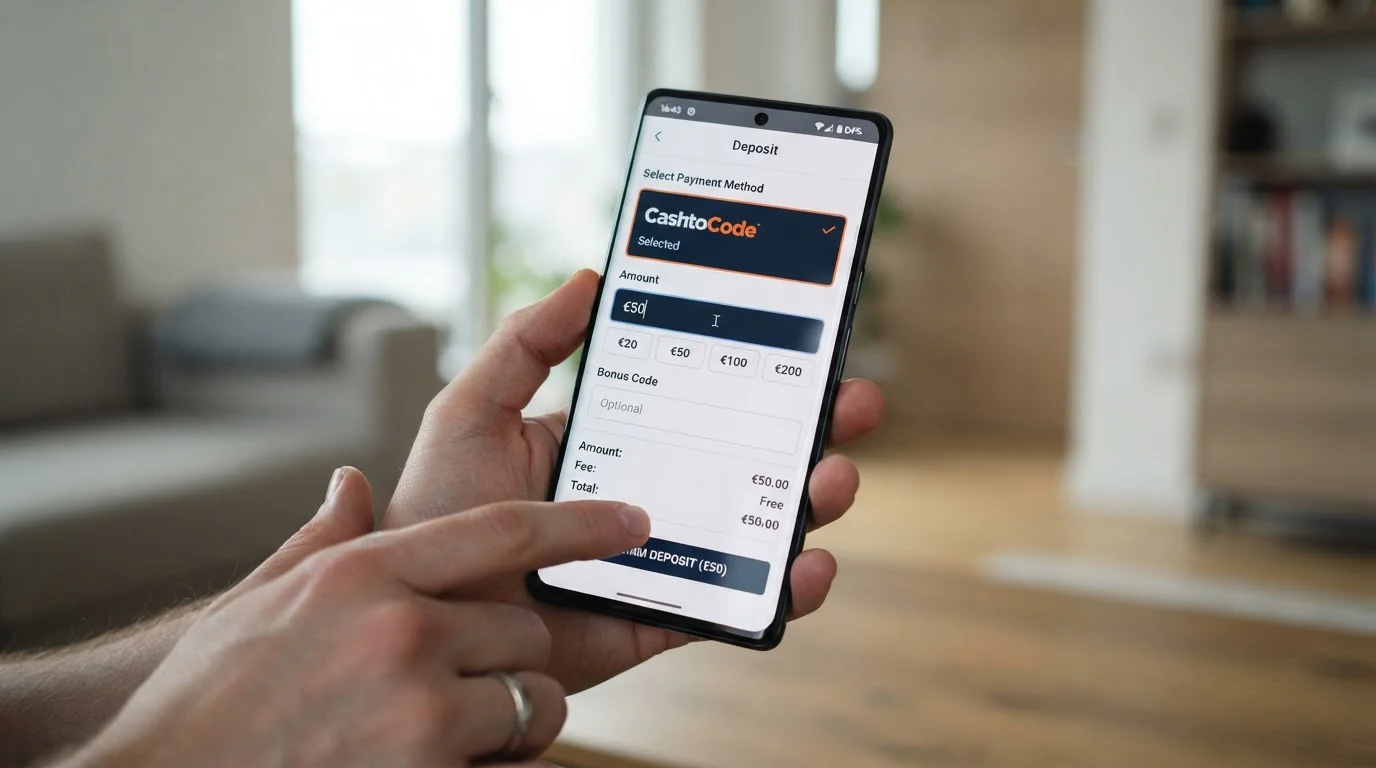
Use it at the casino. Log into your casino account, navigate to the deposit section, select CashtoCode as your payment method, enter the 20-digit PIN, and confirm. The funds land in your balance instantly in most cases, or within 10–15 minutes if the payment gateway is slow. Don’t refresh the page repeatedly or re-enter the PIN—the code is single-use, and a second attempt will fail with an “already redeemed” error.
The PIN is single-use and time-limited (typically valid for a few days to a week, though some resellers issue longer expiry windows). Don’t sit on it. If you buy a voucher and change your mind, most resellers don’t offer refunds. The voucher is a digital product, delivered instantly, and the reseller’s refund policy is usually “no refunds under any circumstances.” Read the terms before buying.
Where can I buy a CashtoCode voucher in Australia in 2026?
You buy CashtoCode vouchers online from authorised resellers: Dundle, Recharge, SEAGM, Reloadhero, CoinsBee, and GoodPay. Payment methods vary by reseller but typically include card, PayPal, bank transfer, and cryptocurrency. The 20-digit PIN arrives by email within seconds, and you use it at the casino cashier to fund your account. Physical retail sales of CashtoCode vouchers do not operate in Australia.
Deposit Limits, Processing Times, and Fees at CashtoCode Casinos
Minimum and Maximum Deposits
Minimum CashtoCode deposits at the eight casinos above range from AUD 10 (Ricky Casino) to AUD 30 (Skycrown, Playfina). The most common floor is AUD 20. Maximum deposits per transaction are capped by the voucher denomination—since the largest standard voucher is AUD 400, that’s your ceiling unless you split a larger deposit across multiple vouchers.
Some casinos impose daily or weekly deposit limits on top of the per-transaction cap. Those limits vary by operator and sometimes by player account status (VIP players often get higher thresholds). Check the cashier before depositing if you’re moving a large amount.
How Long Does a CashtoCode Deposit Take?
Most CashtoCode deposits appear in your casino account instantly. “Instantly” in practice means within seconds of entering the PIN. A small minority of transactions take 10–15 minutes, usually due to payment gateway lag rather than any issue with the voucher itself.
If a deposit hasn’t landed after 15 minutes, check your email for a confirmation from the reseller (confirming the voucher was activated), then contact the casino’s live chat. The 20-digit PIN ties the transaction to your account, so support can usually trace it. Don’t re-enter the PIN—codes are single-use, and a second attempt will fail.
Casino-Side Fees (Who Pays What)
Most reputable offshore casinos absorb CashtoCode processing fees. You pay the reseller markup (3–8%), the casino charges you nothing extra, and the full voucher value lands in your balance. Lower-tier operators sometimes charge an additional 2–5% processing fee on top of the reseller cost, which makes CashtoCode prohibitively expensive. Check the cashier page or the payment methods FAQ before buying a voucher.
Example: you buy a AUD 100 voucher from Dundle for AUD 106 (6% markup). At Skycrown, the full AUD 100 lands in your account. At a lower-tier casino, you might see AUD 97 land (the casino skimmed 3% off the top). Avoid the latter.
What is the minimum deposit at CashtoCode casinos in Australia?
Minimum deposits range from AUD 10 to AUD 30 depending on the casino. Ricky Casino accepts AUD 10, most others (Skycrown, Playfina, BitStarz, Jackpot City, Spin Casino) set the floor at AUD 20–30. The minimum is set by the casino, not by CashtoCode itself.
How long does a CashtoCode deposit take to appear in my casino account?
CashtoCode deposits typically appear instantly—within seconds of entering the 20-digit PIN at the casino cashier. A small number of transactions take 10–15 minutes due to payment gateway delays. If a deposit hasn’t appeared after 15 minutes, contact the casino’s live chat with your PIN and transaction details.
CashtoCode vs. Cards, E-Wallets, and Crypto: The Honest Comparison

CashtoCode solves one problem very well—it keeps your gambling transactions off your bank statement—but it introduces new problems in the process. Here’s where it wins, where it loses, and where the trade-offs land.
Privacy: Where CashtoCode Wins
CashtoCode is the most private mainstream payment method for online casino deposits. The casino never sees your bank details, your bank never sees the casino, and the transaction doesn’t appear on your statement as a gambling charge. If you’re using a reseller that accepts cash (rare in Australia by 2026, but some European markets still offer it) or paying with crypto (CoinsBee, GoodPay), the privacy is absolute—no paper trail at all.
Credit cards, by contrast, leave a clear record. E-wallets like PayPal or Skrill offer a layer of separation (the casino sees the e-wallet, not your bank), but your bank still sees the e-wallet funding transaction. Crypto offers comparable privacy to CashtoCode, but acquiring crypto often requires a KYC-verified exchange, which creates its own trail.
If privacy is your primary concern—you don’t want your bank flagging gambling transactions, you don’t want a statement record, or you’re dealing with a bank that actively blocks casino deposits—CashtoCode delivers.
Cost: Where It Loses
CashtoCode is expensive. The reseller markup (3–8%) is unavoidable, and some casinos add processing fees on top. Credit cards typically charge 0–2.5% (and many offshore casinos waive the fee entirely). E-wallets like Skrill or Neteller often charge nothing for deposits. Crypto transaction fees depend on network congestion but are usually under 2%.
A worked example: depositing AUD 500.
- CashtoCode (via Recharge at 6% markup): You pay AUD 530, AUD 500 lands at the casino. Cost: AUD 30.
- Credit card (2% fee): You pay AUD 510, AUD 500 lands at the casino. Cost: AUD 10.
- E-wallet (no fee): You pay AUD 500, AUD 500 lands at the casino. Cost: AUD 0.
- Crypto (1.5% network fee): You pay AUD 507.50, AUD 500 lands at the casino. Cost: AUD 7.50.
CashtoCode is the most expensive option on this list. If cost matters more than privacy, use an e-wallet or crypto.
Speed and Convenience: Mixed
CashtoCode deposits land instantly, which matches cards and e-wallets. Crypto can be faster (minutes) or slower (hours), depending on network congestion and how many confirmations the casino requires.
Where CashtoCode loses on convenience is the purchase step. You have to visit a reseller, buy a voucher, wait for the email, then enter the PIN at the casino. Cards and e-wallets are one-click: enter your details once, deposit in seconds every time after. Crypto requires a wallet setup, but once that’s done, deposits are straightforward.
CashtoCode also lacks refund or chargeback mechanisms. If you deposit via card and the casino refuses to pay out, you can dispute the charge with your bank. If you deposit via CashtoCode, that option doesn’t exist. The voucher is redeemed, the money is gone, and your only recourse is the casino’s customer support (and, theoretically, the Curaçao or MGA regulator).
The Withdrawal Problem
CashtoCode does not support withdrawals. You can deposit with it, but when you win and want to cash out, you need an alternative method: bank transfer, e-wallet, or crypto. That means you’re setting up a second payment method anyway, which undermines the “no bank details” selling point.
Most offshore casinos require you to withdraw via the method you deposited with, but since CashtoCode doesn’t support withdrawals, they make an exception and let you nominate a different method. That nomination usually triggers a verification process (proof of ID, proof of address), which adds friction and time to your first withdrawal.
If you’re depositing with CashtoCode for privacy, think through how you’ll withdraw. Bank transfers expose the transaction to your bank (the privacy is gone). E-wallets require a funded e-wallet account (which your bank can see). Crypto is the most privacy-preserving withdrawal method, but it requires you to set up a wallet and navigate the KYC requirements of a crypto exchange if you want to convert back to AUD.
| Method | Privacy | Cost (Fees) | Deposit Speed | Withdrawal Support |
|---|---|---|---|---|
| CashtoCode | Excellent | High (3–8%) | Instant | No |
| Credit Card | Low | Low (0–2.5%) | Instant | Yes |
| E-Wallet | Medium | Low (0–3%) | Instant | Yes |
| Crypto | Excellent | Low (1–2%) | Minutes to hours | Yes |
Is CashtoCode safer than using a credit card for online casino deposits?
CashtoCode is more private than a credit card—it keeps the transaction off your bank statement—but it’s not inherently “safer.” You lose chargeback rights (if the casino refuses to pay out, you can’t dispute the charge), and CashtoCode doesn’t support withdrawals (you need a second payment method to cash out). Credit cards offer consumer protection mechanisms that vouchers don’t. Privacy and safety are not the same thing.
Can I use CashtoCode to withdraw winnings from online casinos in Australia?
No. CashtoCode is a deposit-only method. When you win and want to withdraw, you need an alternative: bank transfer, e-wallet, or cryptocurrency. Most offshore casinos let you nominate a different withdrawal method if you deposited with CashtoCode, but you’ll likely face a verification process (ID, proof of address) on your first cash-out.
The Legal Reality: Offshore Casinos and Australian Players

The Interactive Gambling Act 2001 prohibits Australian-licensed operators from offering online casino games to Australian residents. The law does not prohibit Australian residents from accessing offshore casinos. That distinction is critical. Operators who offer casino games to Australians without an Australian license are breaking the law. Players who use those offshore casinos are not.
No Australian player has been prosecuted under the IGA for placing a bet at an offshore site. The Australian Communications and Media Authority (ACMA) enforces the Act by blocking offshore domains—over 900 sites have been geo-blocked as of 2026—but enforcement targets operators, not players. If you access an offshore casino via VPN or because ACMA hasn’t blocked it yet, you’re not committing a crime.
But “not illegal” doesn’t mean “protected.” Offshore casinos licensed in Curaçao or Malta are not subject to Australian consumer law. If a casino withholds a withdrawal, you can complain to the Curaçao or MGA regulator, but enforcement is inconsistent and slow. Australian regulators—ACMA, ACCC, state gambling authorities—have no jurisdiction over offshore operators. Your consumer protection extends as far as the casino’s home regulator is willing to enforce, and in Curaçao’s case, that’s not far.
The grandfather-clause casinos (land-based operators that obtained online licenses before 2001) are Australian-licensed, subject to Australian regulation, and offer consumer protection through state gambling authorities. None of them accept CashtoCode, because CashtoCode launched in 2016, fifteen years after the licensing freeze. If you want an Australian-licensed online casino, CashtoCode isn’t an option. If you want CashtoCode, you’re going offshore, and you’re accepting the regulatory trade-off.
ACMA’s domain-blocking campaign has intensified over the past few years. In 2024 alone, ACMA blocked over 200 additional offshore gambling domains, bringing the total past 900. The blocking is reactive—ACMA targets sites after they’ve gained Australian traffic—and operators respond by launching new domains or routing traffic through mirror sites. VPNs circumvent the blocks easily, but using a VPN to access a geo-blocked casino creates additional complications if you need to verify your identity for a withdrawal (the casino sees a VPN IP, you claim to be in Australia, and the verification team flags the mismatch).
The practical outcome: offshore casinos remain accessible to Australian players in 2026, ACMA continues blocking domains, operators continue launching new ones, and the legal status remains unchanged. Players aren’t prosecuted, operators aren’t shut down (they’re beyond Australian jurisdiction), and the cycle continues.
The privacy CashtoCode offers comes at the cost of regulatory oversight. Your bank doesn’t see the transaction, and the government doesn’t see the transaction, but you also don’t get consumer protection if something goes wrong. For some players, that trade-off is worth it. For others, it’s not. Either way, it’s a conscious choice, not an accident.
Pokies, Live Dealer Games, and What You’ll Actually Play

The game libraries at the eight casinos above run from 1,000 titles (Joe Fortune) to 7,000+ (Skycrown). The pokies catalogues lean heavily on Pragmatic Play, NetEnt, Play’n GO, Microgaming, and BGaming—the same providers dominating every offshore casino targeting Australia. Popular titles among Australian players include Book of Dead, Sweet Bonanza, Gates of Olympus, Big Bass Bonanza, and Wolf Gold. RTP on most pokies sits around 96–97%, which is standard for the offshore market. A handful of titles push past 97% (Blood Suckers at 98%, Mega Joker at 99%), but those are outliers, and the high RTP usually comes with lower hit frequency (you win less often, but the payouts are bigger when you do).
Live dealer tables are supplied primarily by Evolution, with some casinos (Jackpot City, Spin Casino) pulling from Ezugi or Playtech as well. The usual suspects are present: blackjack (standard, VIP, infinite), roulette (European, American, Lightning), baccarat (standard, speed, squeeze), and game-show formats like Crazy Time, Monopoly Live, and Dream Catcher. Table limits vary, but most casinos cater to low-rollers (AUD 1–5 minimums) rather than high-rollers (AUD 500+ minimums are rare, and AUD 1,000+ tables are practically nonexistent at offshore casinos targeting Australia).
The live dealer experience at offshore casinos is functionally identical to what you’d get at a brick-and-mortar casino with a streaming setup. The dealers are real, the cards are physical, the roulette wheels are mechanical, and the results are determined by physics rather than RNG. The difference is the lack of atmosphere—you’re watching a screen, not sitting at a table—and the lack of social interaction (chat exists, but it’s not the same as talking to the person next to you).
If you’re depositing with CashtoCode specifically to play pokies, any of the eight casinos listed will serve you. The game selection is deep enough that you won’t exhaust it, the RTP is competitive, and the providers are reputable. If you’re chasing a specific title or provider, cross-check the casino’s game catalogue before depositing—not every casino carries every provider, and some games are geo-restricted. NetEnt’s branded slots (Guns N’ Roses, Jimi Hendrix, Planet of the Apes) are often blocked in Australia due to licensing restrictions, and a few Microgaming titles face similar blocks.
New Casinos, Bonuses, and Other Considerations
Several of the casinos above (Skycrown, Playfina, Ricky) launched in the early 2020s, which makes them “new” relative to BitStarz (2014) or Jackpot City (late 1990s). Newer doesn’t mean worse, but it does mean less operational history. A casino that’s survived a decade has weathered regulatory shifts, payment processor changes, and market consolidation. A casino that launched two years ago hasn’t been tested yet.
Bonuses at offshore casinos come with wagering requirements that typically range from 35x to 50x. A 100% match bonus on a AUD 100 deposit with 40x wagering means you need to wager AUD 4,000 before you can withdraw bonus winnings. That’s not a scam—it’s how casino bonuses work—but it’s worth understanding before you claim. Some players ignore bonuses entirely and deposit without claiming, which bypasses the wagering requirements and lets you withdraw winnings immediately.
Mobile play is universal across the eight casinos. None require a dedicated app download; the sites are browser-based and responsive on smartphones and tablets. Spin Casino and Ricky Casino are explicitly mobile-optimised, but the others handle mobile traffic without issue.
Can I get a refund on an unused CashtoCode voucher?
Most resellers do not offer refunds on CashtoCode vouchers once the PIN has been delivered. The voucher is a digital product, and refund policies are strict. If you buy a voucher and change your mind, you’re typically stuck with it. Some resellers may process a refund if the voucher is unused and you contact support immediately, but don’t count on it. Only buy a voucher when you’re ready to deposit.
Deposit Methods at Australian Online Casinos 2026 — Compared
Content created by the «AussieChips» team
